



5-HT2 Receptor
5-HT2 receptors belong to the serotonin receptor family and comprise the 5-HT2A, 5-HT2B, and 5-HT2C subtypes, which are predominantly coupled to Gq/11 signaling and regulate inositol phosphate production and intracellular calcium mobilization[1][3]. These receptors mediate excitatory neurotransmission and participate in central nervous system functions including mood regulation, nociceptive processing, reward signaling, and behavioral responses[1][4][2]. Mechanistically, 5-HT2 receptor activation influences neuronal network activity through modulation of dopamine and serotonin pathways, with 5-HT2A receptor activation enhancing dopaminergic signaling whereas 5-HT2C receptor activation exerts opposing inhibitory effects on dopamine transmission[5][6]. In disease-related models, dysregulation of 5-HT2 signaling has been associated with psychiatric disorders, pain modulation, antidepressant responses, and substance-use behaviors[4][2][5]. Compared with related isoforms, 5-HT2A, 5-HT2B, and 5-HT2C receptors exhibit distinct pharmacological properties despite sharing common G-protein coupling mechanisms[3][1]. This subtype selectivity is particularly important for experimental design because receptor-specific agonists and antagonists are widely used to dissect individual 5-HT2 receptor functions and to characterize subtype-dependent physiological and pathological responses[1][7].
References:
- [1]. sciencedirect.topics.
- [2]. Artigas F. Serotonin receptors involved in antidepressant effects. Pharmacol Ther. 2013;137(1):119-131.
- [3]. sciencedirect.topics.
- [4]. Moutkine I, et al. Heterodimers of serotonin receptor subtypes 2 are driven by 5-HT2C protomers. J Biol Chem. 2017;292(15):6352-6368. [Content Brief]
- [5]. Radovanović NN, et al. Bidirectional Cardio-Respiratory Interactions in Heart Failure. Front Physiol. 2018 Mar 6;9:165. [Content Brief]
- [6]. Cummins BR, et al. 5-HT2A receptors: Pharmacology and functional selectivity. Pharmacol Res. 2025;77(4):100059. [Content Brief]
- [7]. McMahon LR, et al. Role of 5-HT(2a) and 5-HT(2B/2C) receptors in the behavioral interactions between serotonin and catecholamine reuptake inhibitors. Neuropsychopharmacology. 2001 Mar;24(3):319-29. [Content Brief]
- [8]. Brea J, et al. New serotonin 5-HT(2A), 5-HT(2B), and 5-HT(2C) receptor antagonists: synthesis, pharmacology, 3D-QSAR, and molecular modeling of (aminoalkyl)benzo and heterocycloalkanones. J Med Chem. 2002 Jan 3;45(1):54-71. [Content Brief]
All Product Categories
-
5-HT2 Receptor Inhibitors
(45)
View all products
-
5-HT2 Receptor Agonists
(153)
View all products
-
5-HT2 Receptor Antagonists
(193)
View all products
-
5-HT2 Receptor Activators
(6)
View all products
-
5-HT2 Receptor Modulators
(44)
View all products
-
5-HT2 Receptor Controls
(2)
View all products
-
5-HT2 Receptor Ligands
(15)
View all products
-
5-HT2 Receptor Related Products (478)
Related Products (478)

-
Chlorpromazine
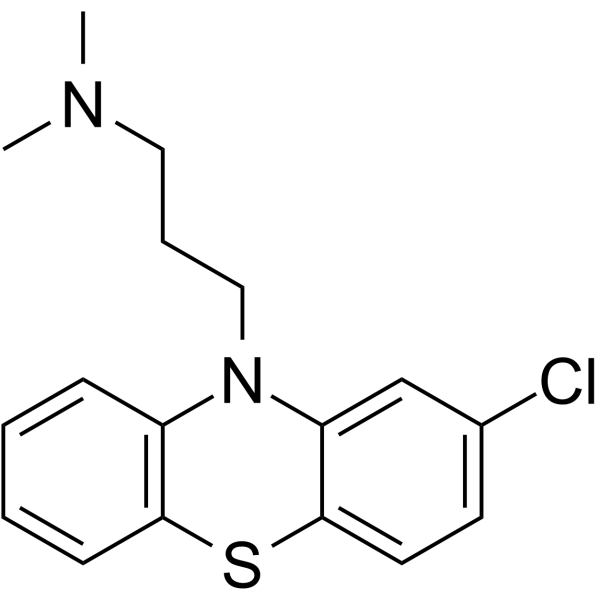 0 ImagesChlorpromazine is an orally active, blood-brain barrier-transparent antipsychotic agent that effectively antagonises D2 dopamine receptors and 5-HT2A, which is widely used in schizophrenia and other psychiatric disorders. Chlorpromazine exerts anti-cancer activity through a variety of pathways, including anti-proliferation, induction of autophagy and cycle arrest (G2-M phase), inhibition of cytochrome c oxidase (CcO), inhibition of tumour growth and metastasis, and inhibition of tumour immune escape. Chlorpromazine also blocks hNav1.7 channels (IC50=25.9 μM; concentration-dependent) and HERG potassium channels (IC50=21.6 μM), which has potential for analgesic and cardiac arrhythmic studies. Chlorpromazine also can inhibit clathrin-mediated endocytosis.
-
SCH-23390 hydrochloride
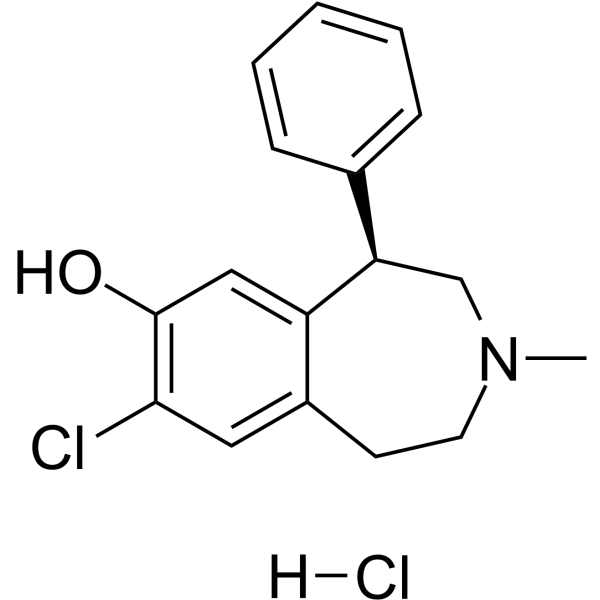 0 ImagesSynonyms: R-(+)-SCH-23390 hydrochlorideSCH-23390 hydrochloride (R-(+)-SCH-23390 hydrochloride) is a potent and selective dopamine D1-like receptor antagonist with Kis of 0.2 nM and 0.3 nM for the D1 and D5 receptor, respectively. SCH-23390 hydrochloride is a potent and high efficacy human 5-HT2C receptor agonist with a Ki of 9.3 nM. SCH-23390 hydrochloride also binds with high affinity to the 5-HT2 and 5-HT1C receptors. SCH-23390 hydrochloride inhibits G protein-coupled inwardly rectifying potassium (GIRK) channels with an IC50 of 268 nM.
-
Chlorpromazine hydrochloride
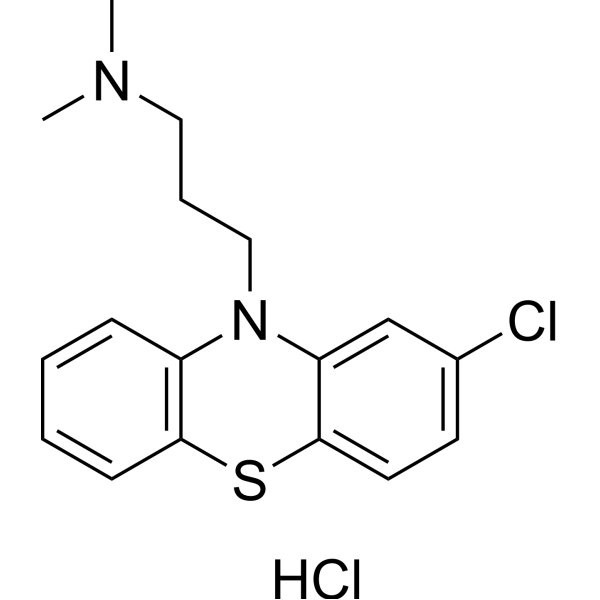 0 ImagesChlorpromazine hydrochloride is an orally active, blood-brain barrier-transparent antipsychotic agent that effectively antagonises D2 dopamine receptors and 5-HT2A, which is widely used in schizophrenia and other psychiatric disorders. Chlorpromazine hydrochloride exerts anti-cancer activity through a variety of pathways, including anti-proliferation, induction of autophagy and cycle arrest (G2-M phase), inhibition of cytochrome c oxidase (CcO), inhibition of tumour growth and metastasis, and inhibition of tumour immune escape. Chlorpromazine hydrochloride also blocks hNav1.7 channels (IC50=25.9 μM; concentration-dependent) and HERG potassium channels (IC50=21.6 μM), which has potential for analgesic and cardiac arrhythmic studies. Chlorpromazine hydrochloride also can inhibit clathrin-mediated endocytosis.
-
Harmine
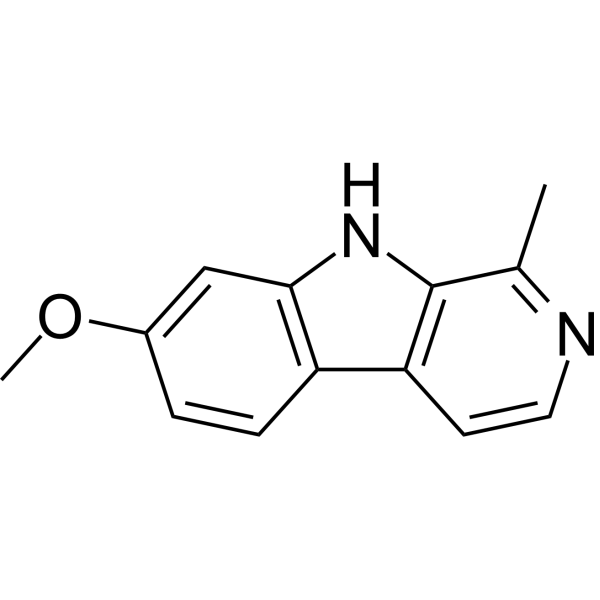 0 ImagesHarmine is a natural dual-specificity tyrosine phosphorylation-regulated kinase (DYRK) inhibitor with anticancer and anti-inflammatory activities. Harmine has a high affinity of 5-HT2A serotonin receptor, with an Ki of 397 nM.
-
Paliperidone
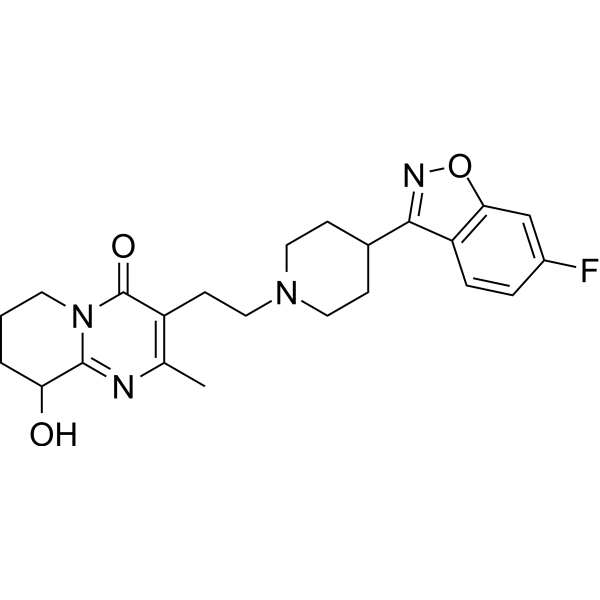 0 ImagesSynonyms: 9-HydroxyrisperidonePaliperidone (9-Hydroxyrisperidone), the major active metabolite of Risperidone, is a dopamine D2 antagonist and 5-HT2A antagonist. Paliperidone is also active as an antagonist at α1 and α2 adrenergic receptors and H1-histaminergic receptors. Paliperidone, a antipsychotic agent, shows efficacy against schizophrenia.
-
Agomelatine
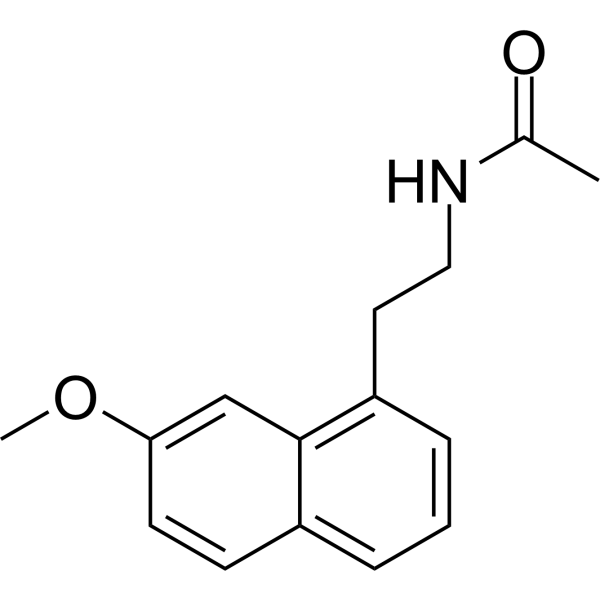 0 ImagesSynonyms: S-20098Agomelatine (S-20098) is a specific agonist of MT1 and MT2 receptors with Kis of 0.1, 0.06, 0.12, and 0.27 nM for CHO-hMT1, HEK-hMT1, CHO-hMT2, and HEK-hMT2, respectively. Agomelatine is a selective 5-HT2C receptor antagonist with pKis of 6.4 and 6.2 at native (porcine) and cloned, human 5-HT2C receptors, respectively.
-
Quetiapine hemifumarate
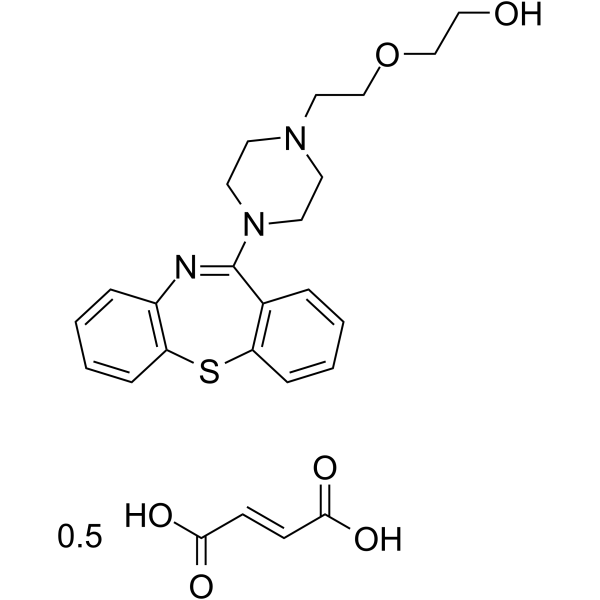 0 ImagesQuetiapine hemifumarate is a 5-HT receptors agonist with a pEC50 of 4.77 for human 5-HT1A receptor. Quetiapine hemifumarate is a dopamine receptor antagonist with a pIC50 of 6.33 for human D2 receptor. Quetiapine hemifumarate has moderate to high affinity for the human D2, HT1A, 5-HT2A, 5-HT2C receptor with pKis of 7.25, 5.74, 7.54, 5.55. Antidepressant and anxiolytic effects.
-
Clozapine
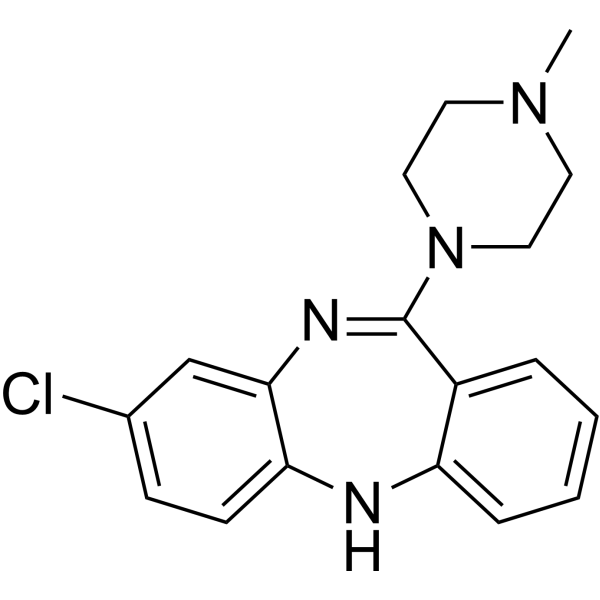 0 ImagesClozapine (HF 1854) is an antipsychotic used for the research of schizophrenia. Clozapine has high affinity for a number of neuroreceptors. Clozapine is a potent antagonist of dopamine D2 with a Ki of 75 nM. Clozapine inhibits the muscarinic M1 receptor and serotonin 5HT2A receptor with Kis of 9.5 nM and 4 nM, respectively. Clozapine is also a potent and selective agonist at the muscarinic M4 receptor (EC50=11 nM).
-
Olanzapine
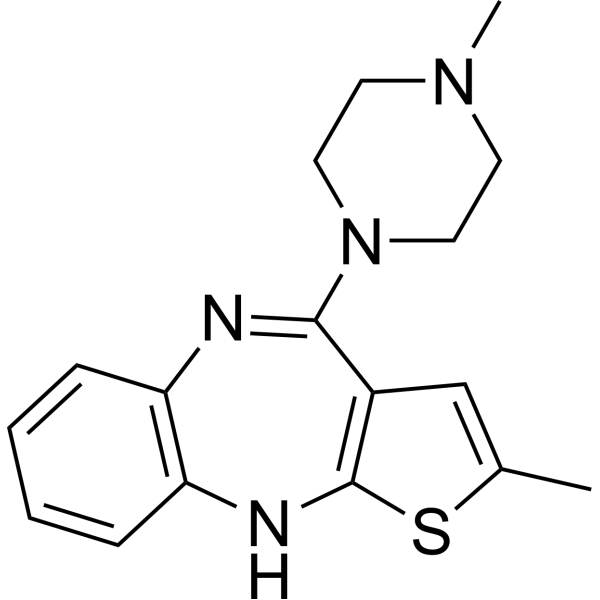 0 ImagesSynonyms: LY170053Olanzapine (LY170053) is a selective, orally active monoaminergic antagonist with high affinity binding to serotonin H1, 5HT2A/2C, 5HT3, 5HT6 (Ki=7, 4, 11, 57, and 5 nM, respectively), dopamine D1-4 (Ki=11 to 31 nM), muscarinic M1-5 (Ki=1.9-25 nM), and adrenergic α1 receptor (Ki=19 nM). Olanzapine is an atypical antipsychotic.
-
Risperidone
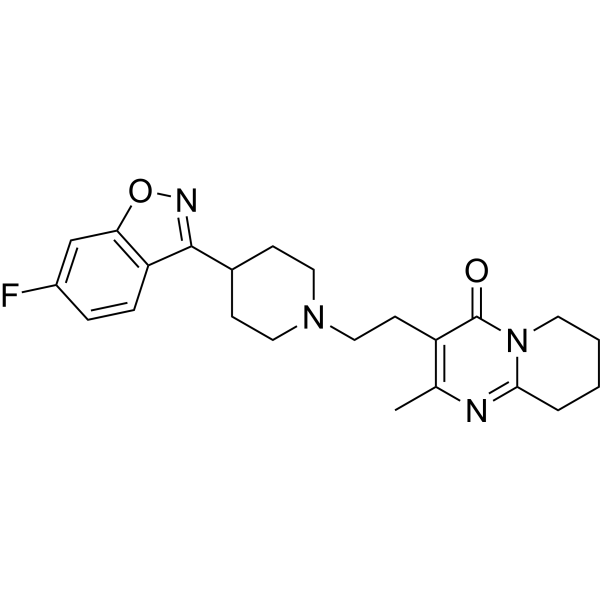 0 ImagesSynonyms: R 64 766Risperidone is a serotonin 5-HT2 receptor blocker, P-Glycoprotein inhibitor and potent dopamine D2 receptor antagonist, with Kis of 4.8, 5.9 nM for 5-HT2A and dopamine D2 receptor, respectively.
-
Paroxetine
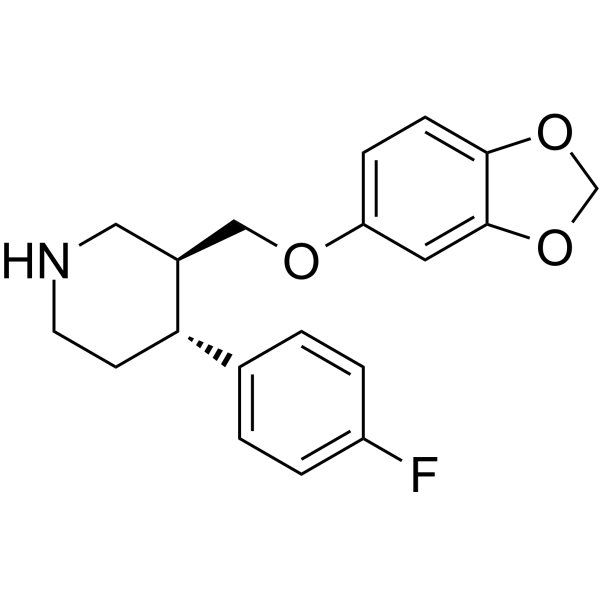 0 ImagesSynonyms: BRL29060Paroxetine (BRL29060) is an orally active and selective serotonin reuptake inhibitor (SSRI) and apoptosis inducer with blood-brain barrier permeability. Paroxetine inhibits nitric oxide synthase and CYP2D6, induces desensitization of 5-HT1A/1B/1D autoreceptors, downregulates 5-HT2 receptors, and promotes the production of inflammatory cytokines. Paroxetine is a weak norepinephrine (NE) uptake inhibitor and possesses antitumor activity. Paroxetine is widely used in research concerning depression, obsessive-compulsive disorder, panic disorder, social phobia, generalized anxiety disorder, post-traumatic stress disorder, premenstrual dysphoric disorder, hot flashes, and related conditions.
-
Paroxetine hydrochloride
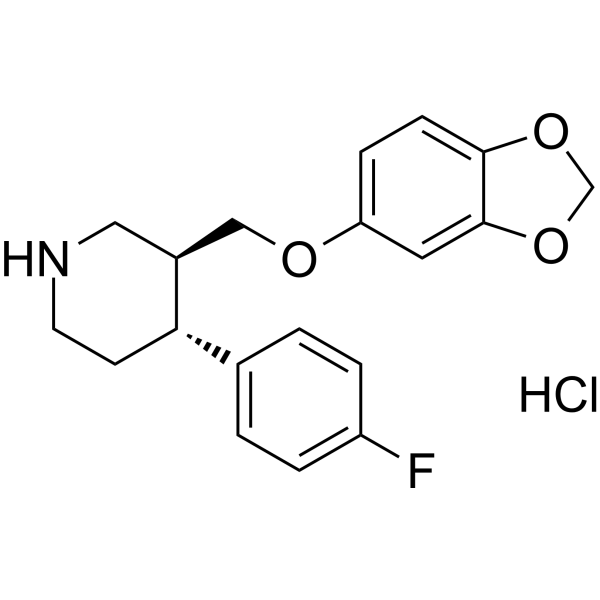 0 ImagesSynonyms: BRL29060 hydrochloride; BRL29060AParoxetine (BRL29060) hydrochloride is an orally active and selective serotonin reuptake inhibitor (SSRI) and apoptosis inducer with blood-brain barrier permeability. Paroxetine hydrochloride inhibits nitric oxide synthase and CYP2D6, induces desensitization of 5-HT1A/1B/1D autoreceptors, downregulates 5-HT2 receptors, and promotes the production of inflammatory cytokines. Paroxetine hydrochloride is a weak norepinephrine (NE) uptake inhibitor and possesses antitumor activity. Paroxetine hydrochloride is widely used in research concerning depression, obsessive-compulsive disorder, panic disorder, social phobia, generalized anxiety disorder, post-traumatic stress disorder, premenstrual dysphoric disorder, hot flashes, and related conditions.
-
Aripiprazole
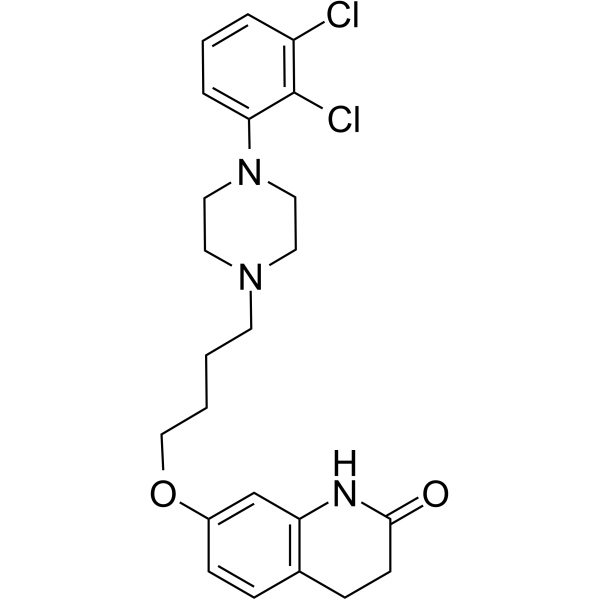 0 ImagesSynonyms: OPC-14597Aripiprazole (OPC-14597), an atypical antipsychotic, is a potent and high-affinity dopamine D2 receptor partial agonist. Aripiprazole is an inverse agonist at 5-HT2B and 5-HT2A receptors and displays partial agonist actions at 5-HT1A, 5-HT2C, D3, and D4 receptors. Aripiprazole can be used for the research of schizophrenia and COVID19.
-
DOI hydrochloride
 0 ImagesDOI hydrochloride is a serotonin 5-HT2A/2C receptor agonist with Ki values of 0.7 nM, 2.4 nM and 20 nM for h5-HT2A, h5-HT2C and h5-HT2B receptors, respectively. DOI hydrochloride can across the blood-brain barrier. DOI hydrochloride increases head twitches in mice.
-
Brexpiprazole
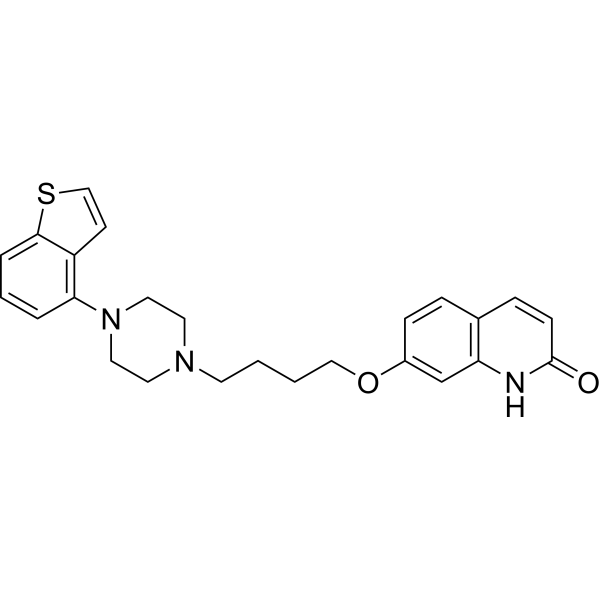 0 ImagesSynonyms: OPC-34712Brexpiprazole (OPC-34712), an atypical orally active antipsychotic agent, is a partial agonist of human 5-HT1A and dopamine D2L receptor with Kis of 0.12 nM and 0.3 nM, respectively. Brexpiprazole is also a 5-HT2A receptor antagonist with a Ki of 0.47 nM. Brexpiprazole also shows potent antagonist activity at human noradrenergic α1B (Ki=0.17 nM) and α2C receptors (Ki=0.59 nM).
-
Pimavanserin
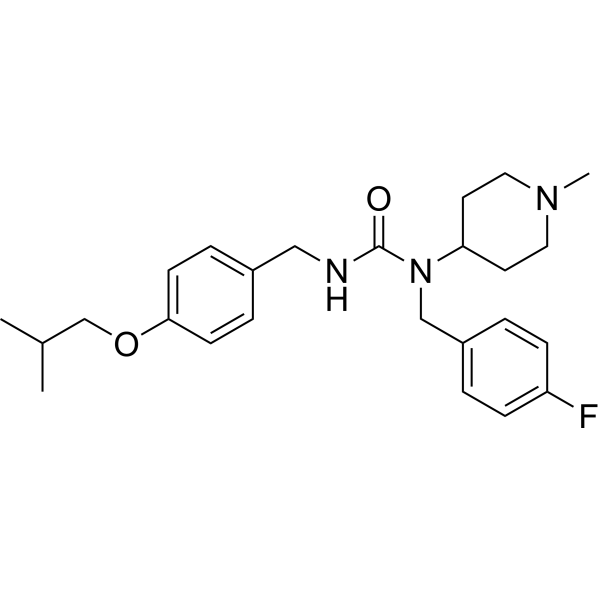 0 ImagesSynonyms: ACP-103Pimavanserin is a selective, brain-penetrant, inverse agonist of the 5-HT2A receptor with pIC50 and pKd of 8.73 and 9.3, respectively.
-
BW-723C86
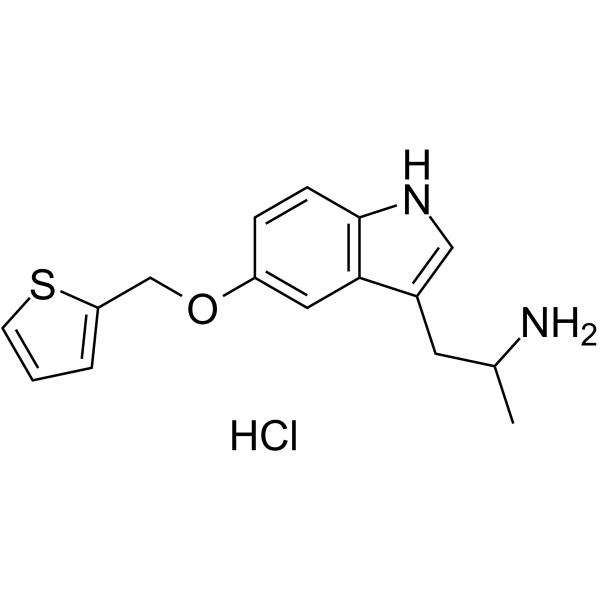 0 ImagesBW-723C86 is an orally active and a selective 5-HT2B receptor agonist. BW-723C86 exhibits anxiolytic-like actions. BW-723C86 also causes hyperphagia and reduced grooming in rats. BW-723C86 dilates pulmonary arteries and inhibits liquid meal-induced gastric accommodation.
-
Nefazodone
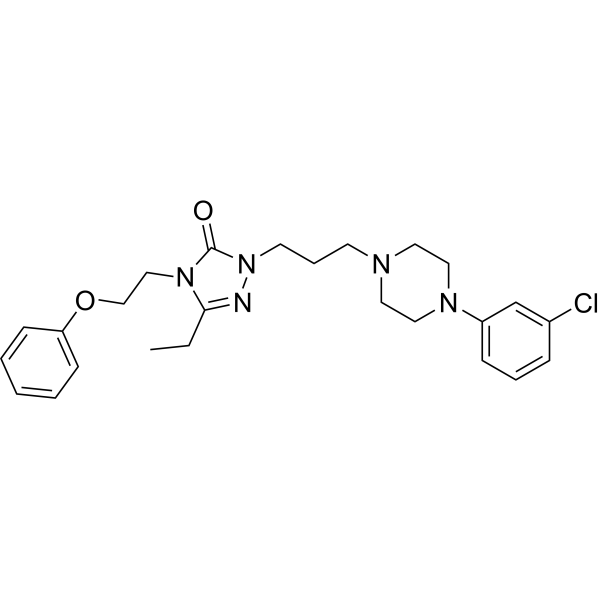 0 ImagesNefazodone is an orally active phenylpiperazine antidepressant. Nefazodone can potently and selectively block postsynaptic 5-HT2A receptors, and moderately inhibit 5-HT and noradrenaline reuptake. Nefazodone can also relieve the adverse effects of stress on the the immune system of mice. Nefazodone has a high affinity for CYP3A4 isoenzyme, which indicates that it has certain risk of agent-agent interaction.
-
Quetiapine
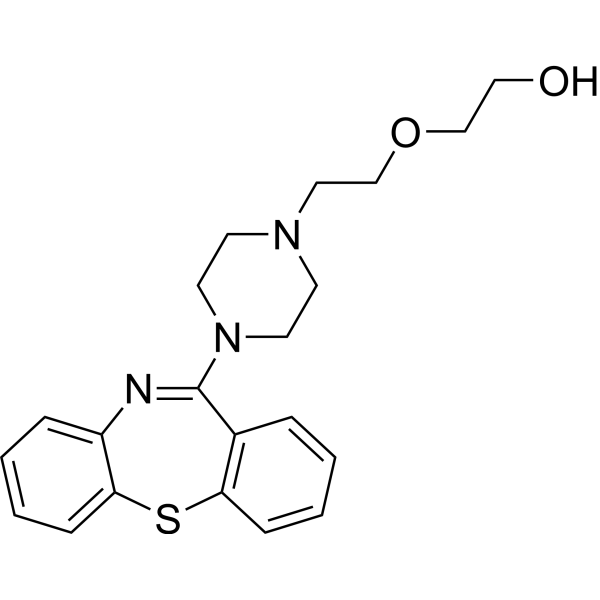 0 ImagesSynonyms: ICI204636Quetiapine (ICI204636) is a 5-HT receptors agonist with a pEC50 of 4.77 for human 5-HT1A receptor. Quetiapine is a dopamine receptor antagonist with a pIC50 of 6.33 for human D2 receptor. Quetiapine has moderate to high affinity for the human D2, HT1A, 5-HT2A, 5-HT2C receptor with pKis of 7.25, 5.74, 7.54, 5.55. Antidepressant and anxiolytic effects.



